ICSI

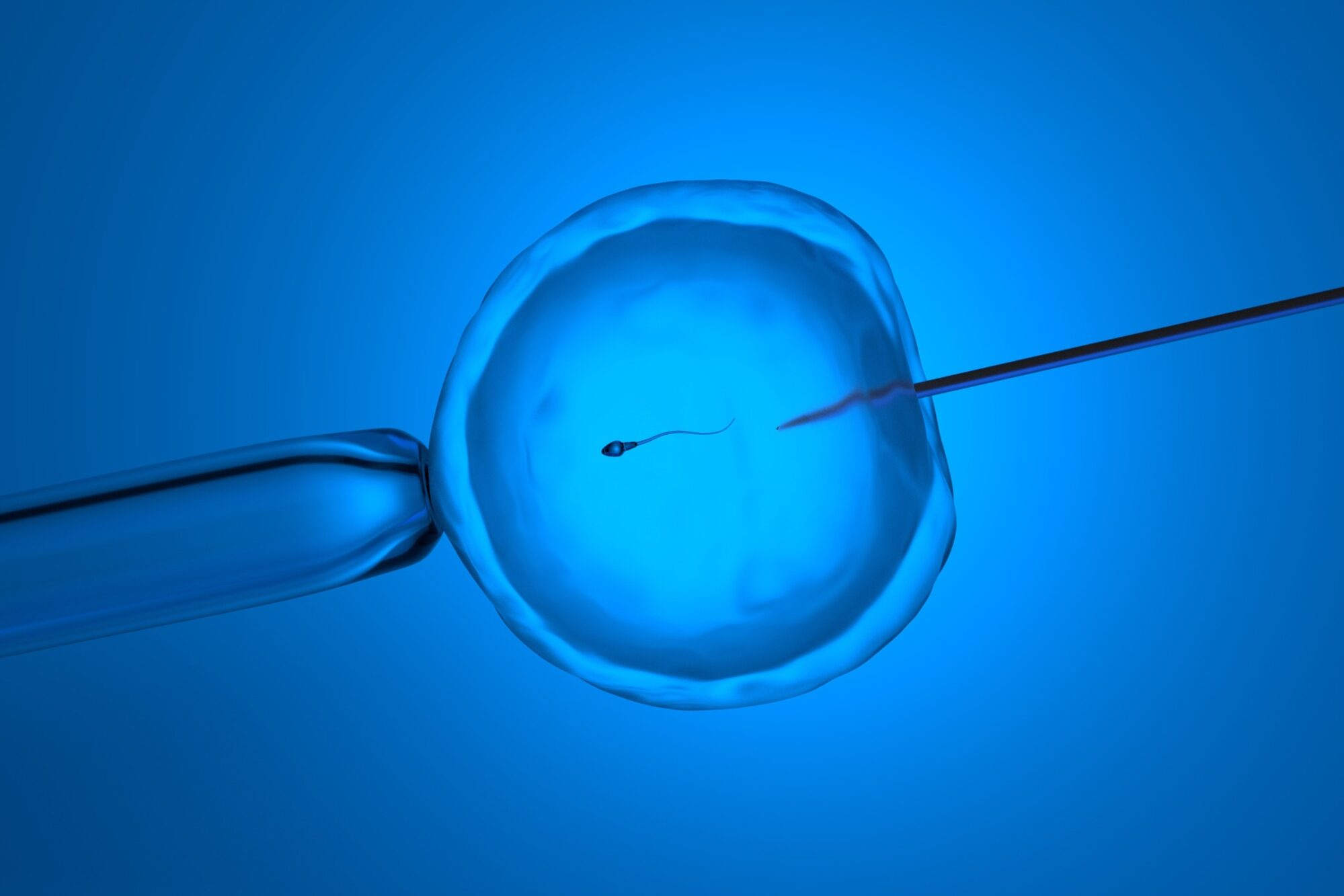
For some couples and individuals, the barrier to falling pregnant comes down to whether a sperm can actually find and fertilise an egg. Intracytoplasmic sperm injection (ICSI) is a specialised fertility treatment performed alongside IVF, where a single sperm is injected directly into a mature egg to help fertilisation occur, and is important in cases of few sperm, or where additional advanced sperm selection methods are expected to improve outcomes.
Dr Simon Nothman is an experienced fertility specialist practising at Genea, a leading fertility clinic in Bondi Junction, Bella Vista and Sydney CBD. He has guided many patients through ICSI treatment, using it where there’s a clear reason to, and continuing to recommend standard IVF where there isn’t.
What is ICSI?
An ICSI cycle follows the same overall structure as a standard IVF cycle. The difference occurs only at the point of fertilisation.
Step 1: Ovarian stimulation
You’ll be prescribed hormone medications to stimulate your ovaries to develop multiple eggs, usually over ten to fourteen days. Regular blood tests and ultrasounds monitor your progress throughout.
Step 2: Egg retrieval and sperm collection
Once your eggs are ready, a trigger injection prompts their final maturation, and they’re collected around 36 hours later as a day procedure under sedation. Your partner will provide a sperm sample on the same day, either through ejaculation or surgical retrieval, or donor sperm may be used.
Step 3: The ICSI procedure
In the laboratory, an embryologist selects a single, healthy-looking sperm and injects it directly into each mature egg using a fine needle.
Step 4: Embryo development
The resulting fertilised eggs are monitored as they develop into embryos over the following days.
Step 5: Embryo transfer
The healthiest embryo is selected for transfer into the uterus. Any remaining suitable embryos can be frozen for future use. Some patients may also choose preimplantation genetic testing to assess embryos for genetic anomalies before transfer.
Step 6: Pregnancy test
Around ten to fourteen days after transfer, a blood test confirms whether implantation has occurred.
Who should consider ICSI?
Dr Nothman may suggest ICSI if:
- You or your partner have significant male factor infertility, affecting sperm count, movement or shape
- Sperm has been surgically retrieved, for example, following a vasectomy or in cases of very low sperm numbers
- A previous IVF cycle resulted in poor or failed fertilisation
- You’re undergoing preimplantation genetic testing as part of your IVF cycle
- Frozen eggs are being used, as the surrounding cumulus cells have been removed and therefore natural fertilisation is not possible
ICSI isn’t automatically recommended in every IVF cycle. Dr Nothman reviews each patient’s sperm analysis and treatment history before advising whether ICSI or standard IVF is the more appropriate approach.
How effective is ICSI?
Fertilisation rates with ICSI are generally high even where male infertility is the primary barrier, but a good fertilisation rate is not the same as a pregnancy or live birth rate. Once fertilisation occurs, embryo development, implantation and ongoing pregnancy depend on the same factors as any IVF cycle, particularly the age and egg quality of the female partner.
Overall pregnancy rates between ICSI and standard IVF are broadly comparable once age and diagnosis are taken into account. Research also shows no significant long-term health differences in children conceived via ICSI compared with standard IVF.
What options are there beyond ICSI?
Additional sperm selection technologies may be employed under certain circumstances in an attempt to improve fertilisation or embryo development outcomes. These include such technologies as ZyMot, PICSI, IMSI which improve the selection of sperm used in ICSI on the basis of structural and functional characteristics. Such technologies are most commonly be recommended on the basis of sperm test results or following poor fertilisation or embryological outcomes in previous treatment cycles.
Frequently Asked Questions
What is the difference between IVF and ICSI?
Both treatments involve egg retrieval, fertilisation in the laboratory, and embryo transfer. The difference is in how fertilisation happens. In standard IVF, sperm and egg are placed together in a dish and left to fertilise on their own. In ICSI, an embryologist injects a single sperm directly into each mature egg.
Does ICSI increase my chance of pregnany compared to standard IVF?
ICSI increases fertilisation rates where sperm quality is a genuine concern, but overall pregnancy rates per cycle are broadly comparable to standard IVF once age and diagnosis are taken into account. The benefit of ICSI lies in overcoming a specific fertilisation barrier, not in improving outcomes across the board.
Can ICSI be used with frozen eggs or frozen sperm?
Both frozen eggs and frozen sperm can be used in an ICSI cycle. Frozen eggs are routinely fertilised via ICSI, whereas frozen sperm may be able to be used for routine IVF, but this will depend on the quantity and quality of the sperm available.
What happens if ICSI doesn't lead to fertilisation?
Not every injected egg will fertilise, and not every fertilised egg will develop into a transferable embryo. If a cycle doesn’t go as hoped, Dr Nothman will review the outcome with you and discuss whether any changes to the approach are appropriate for a future cycle.
Is ICSI covered by Medicare?
Medicare rebates apply to certain components of IVF and ICSI treatment for eligible patients. Private health insurance doesn’t cover IVF or ICSI itself. Costs will be discussed in detail at your consultation and with Genea’s Care Coordinators, who will provide you with an individualised quote based on your specific treatment plan.
Will I need ICSI in every cycle?
Dr Nothman reviews the approach before each cycle based on current sperm parameters and the outcomes of previous sperm tests and cycles, rather than defaulting to ICSI.
Some situations which are not related to the sperm may require ICSI by default, rather than IVF, such as use of frozen eggs or particular types of embryo genetic testing. In such situations it would be expected that all future cycles would also employ ICSI.